
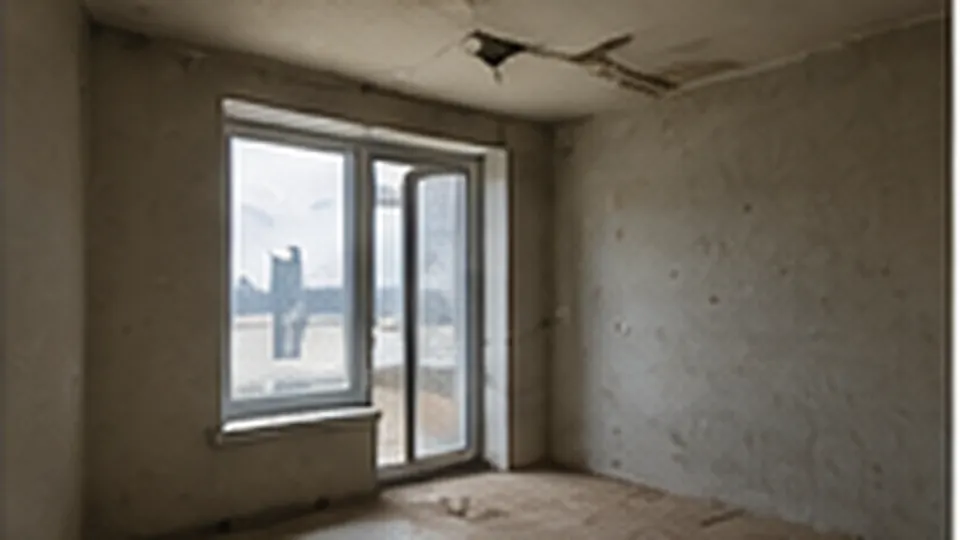
Apartment renovation defects
After the renovation was complete, the client discovered uneven walls, voids beneath tiles and gaps at junctions, and became involved in a wider dispute with the contractor over the quality of the finishes.
Learn more →Typical situations requiring a property inspection, documentation of defects, calculation of reinstatement work or preparation of materials for court.
The case studies show the subject of the task, the course of the investigation and the practical result without disclosing clients' personal data.
After the renovation was complete, the client discovered uneven walls, voids beneath tiles and gaps at junctions, and became involved in a wider dispute with the contractor over the quality of the finishes.
Learn more →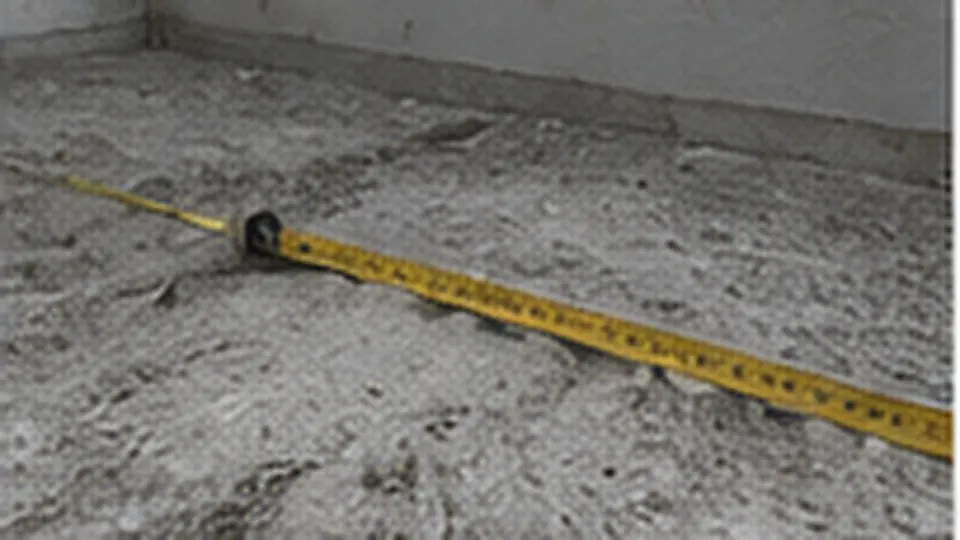
The warehouse owner was involved in a dispute over whether the entire floor needed to be redone or some defects could be repaired locally without removing the whole floor covering.
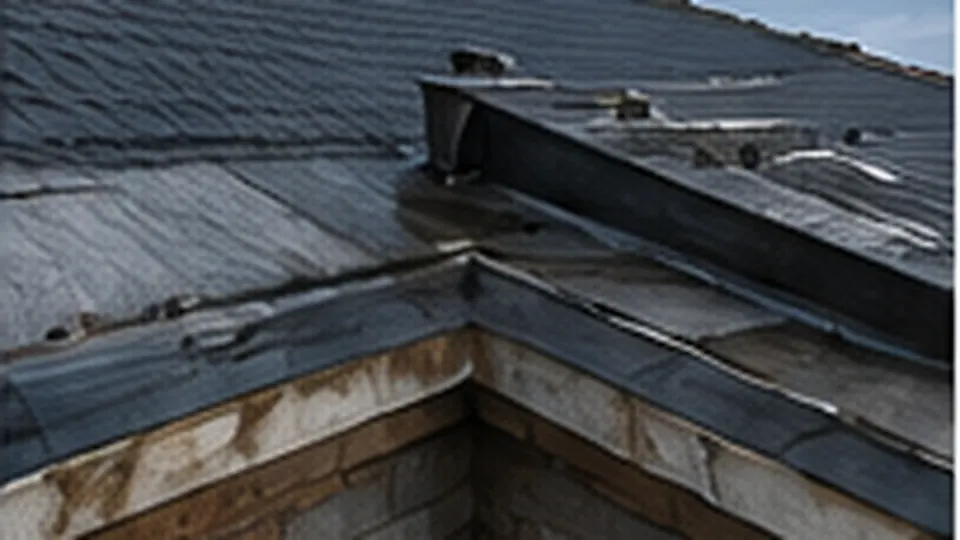
Learn more →After repairs to a roof assembly and the internal roof drainage system, signs of dampness and leaks continued inside near the roof outlet and junctions.
Learn more →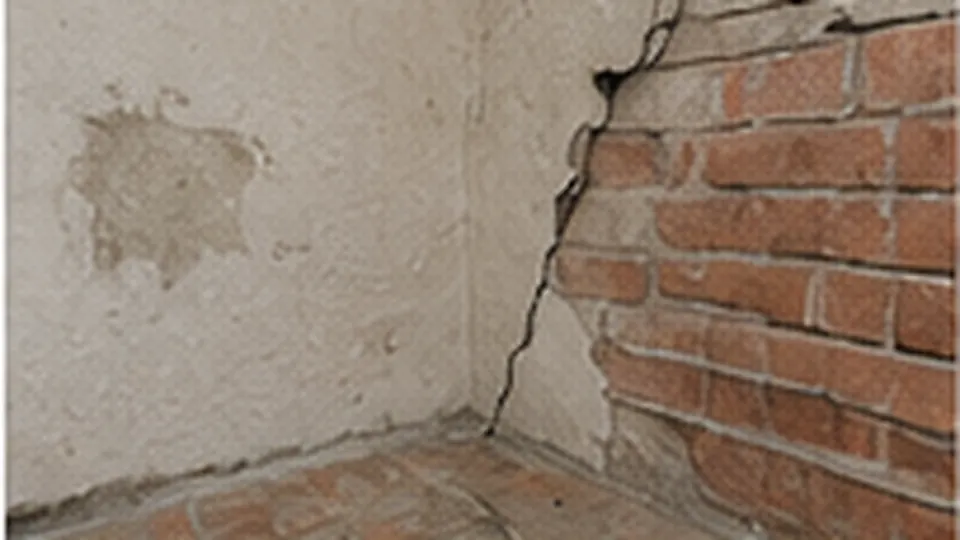
The owner of a private house noticed cracks developing in the walls and around openings and wanted to understand how to document the problem before starting repairs.
Learn more →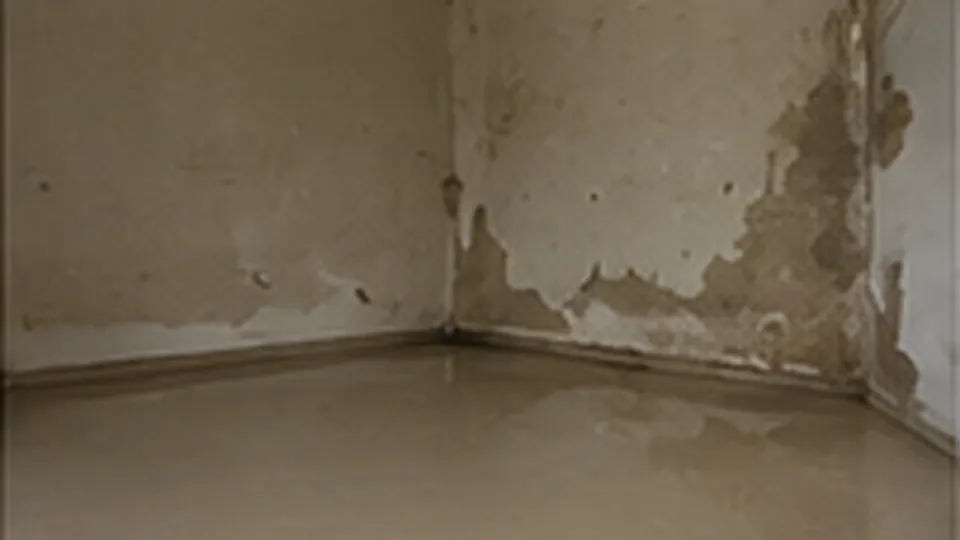
An incident damaged ceilings, walls, part of the floor covering and internal doors; the consequences needed to be documented for a dispute.
Learn more →After a new roof was installed, recurring leaks appeared in the house, while the contractor attributed them to external factors and refused to admit fault.
Learn more →
The client questioned the justification for the construction cost estimate and work completion records and wanted to understand exactly where the overstatements were.
Learn more →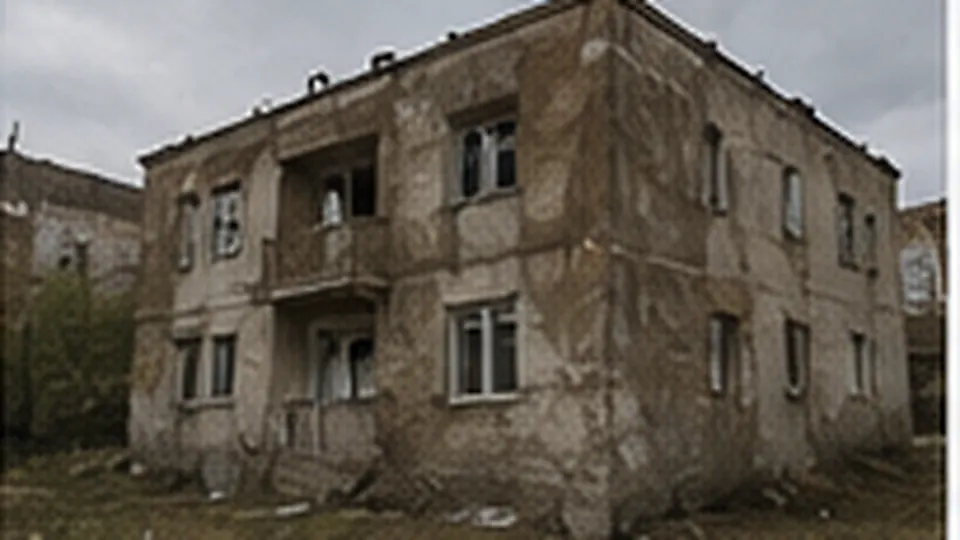
The owners disagreed over repairing or demolishing an old veranda; its deterioration, deformations and overall structural condition needed to be documented.
Learn more →After installation, draughts and problems adjusting the sashes appeared, along with disputes over the quality of the balcony window and door unit installation.
Learn more →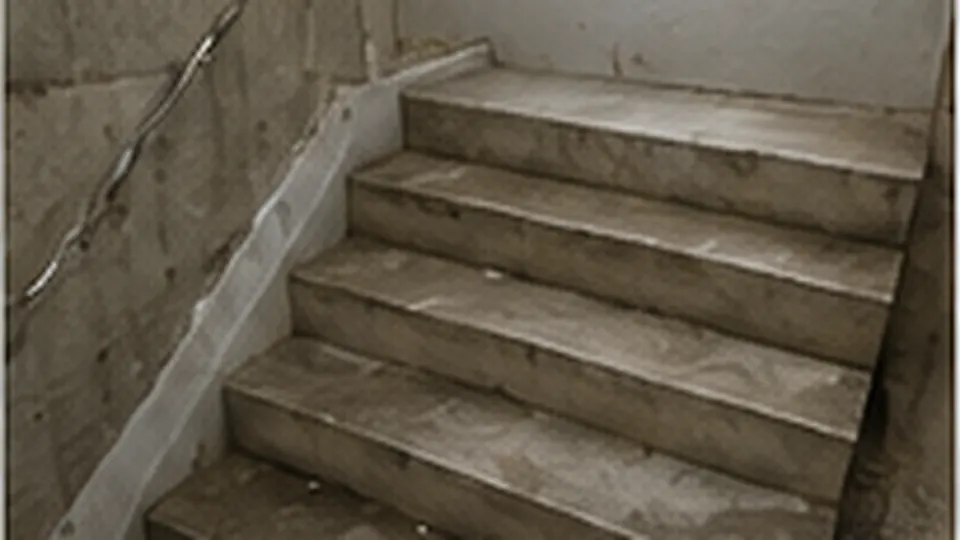
Residents raised concerns about defects in finishes and lighting and the condition of stairwells and common property in an apartment building.
Learn more →The buyer of a finished apartment needed a complete list of issues before signing the developer's handover and acceptance certificate.
Learn more →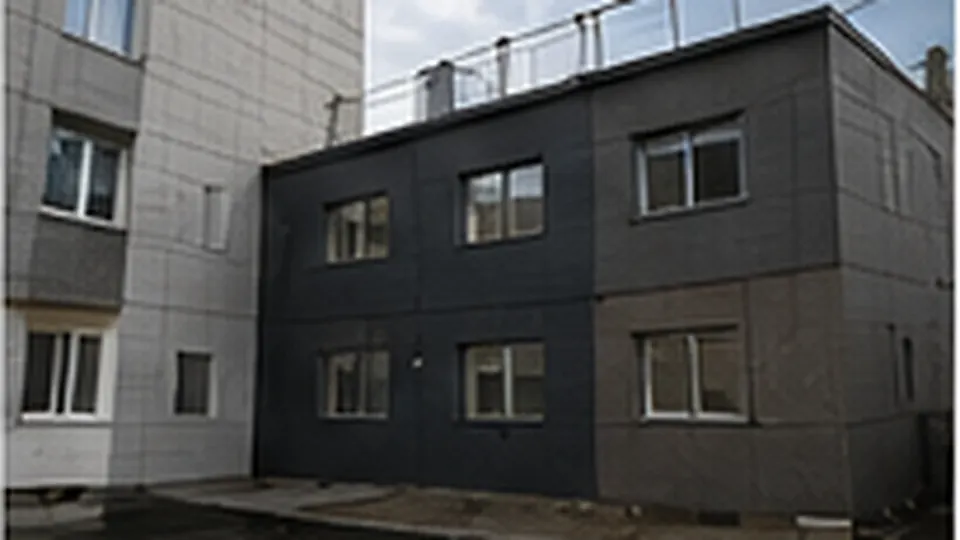
The owners and the property management organisation disputed the causes of cracking and delamination of the facade finish on an apartment building.
Learn more →
The owner began to doubt the quality of the work on the house foundation after cracks and uneven settlement appeared.
Learn more →After a fire and firefighting operations, construction damage to the premises needed to be documented before reinstatement began and damaged areas were dismantled.
Learn more →Typical scenarios
If the height difference between distant room corners is compared with an allowed straightedge gap, different floor characteristics may be confused. In this hypothetical situation a laser survey shows overall slope, yet the report calls it local unevenness without providing straightedge locations, measurement span or measured gaps.
Typical scenarios
If rise is divided by decking length, ramp slope needs review. Suppose the length includes a landing, cross slope was not measured and the diagram omits height points and individual run boundaries.
Typical scenarios
If the first or last step feels different, it may be dismissed as habit. Suppose landing finishes changed thickness, acceptance measured only a middle step, photos are oblique and finished-floor levels were never compared with the design profile.
Typical scenarios
If a crack returns along a framed partition's head after repainting, filler quality may be blamed. Photographs show the line, but the head detail is unknown and changes in opening or post-repair conditions have not been logged.
Typical scenarios
Suppose the parties agree to substitute a finishing material, yet acceptance records retain the original name. In a quality or quantity dispute, the documents may then describe something different from the work actually performed.
Typical scenarios
If a mark beneath a roof appears during a thaw but remains dry after rain, several explanations need testing. Water may enter through roof details, accumulate near drainage or form through condensation. The indoor mark does not necessarily lie directly below the entry point.